

GLP-1 (Semaglutide) 5mg
$140.00
GLP-1 (Semaglutide) 5mg is a GLP-1 receptor–active peptide studied for its role in metabolic signaling, energy regulation, and appetite-related communication pathways.
Description
Semaglutide is a GLP-1 receptor–active peptide designed to reflect the signaling behavior of endogenous glucagon-like peptide-1. In research settings, it is widely studied for its role in metabolic signaling, energy regulation, and nutrient-response pathways.
GLP-1 signaling is central to how biological systems coordinate insulin dynamics, appetite-related communication, and metabolic pacing. Semaglutide’s stable and extended signaling profile makes it a valuable tool for examining how these pathways initiate, persist, and interact within broader regulatory networks. Within laboratory research, Semaglutide is associated with investigations into insulin secretion modulation, appetite-awareness signaling, and metabolic efficiency frameworks. It allows researchers to explore signal longevity, metabolic timing, and system-level balance with clarity and consistency.
Produced to research-grade standards, Semaglutide fits seamlessly into advanced metabolic and endocrine research focused on hormonal communication and energy regulation.
- Energy Regulation
- Metabolic Signaling
- Appetite-related communication
Additional information
| Weight | 0.07 lbs |
|---|---|
| Form | Lyophilized Powder |
| Concentration | 5mg |
| Class | GLP-1 Analog |
| Purity | ≥99% |
| Use | Research Only |
Related products
-
Sale!
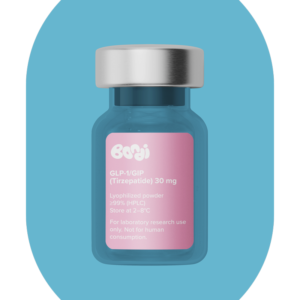
Tirzepatide (GLP-1/GIP) 30mg
Original price was: $320.00.$299.00Current price is: $299.00. Add to cart -
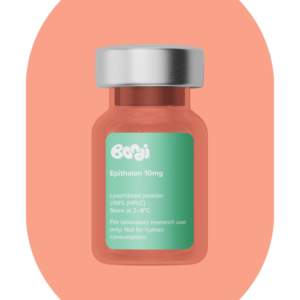
Epithalon 10mg
$66.00 Add to cart -
Sale!
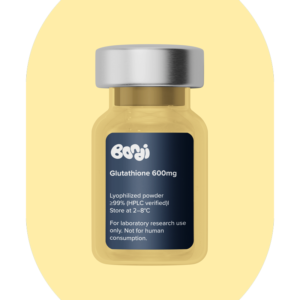
L-Glutathione 600mg
Original price was: $89.00.$72.00Current price is: $72.00. Add to cart -
Sale!
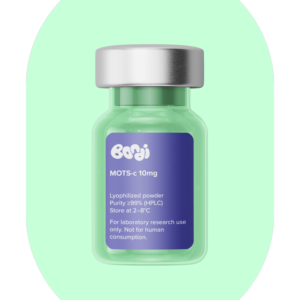
MOTS-C 10mg
Original price was: $112.00.$82.00Current price is: $82.00. Add to cart